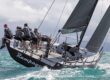

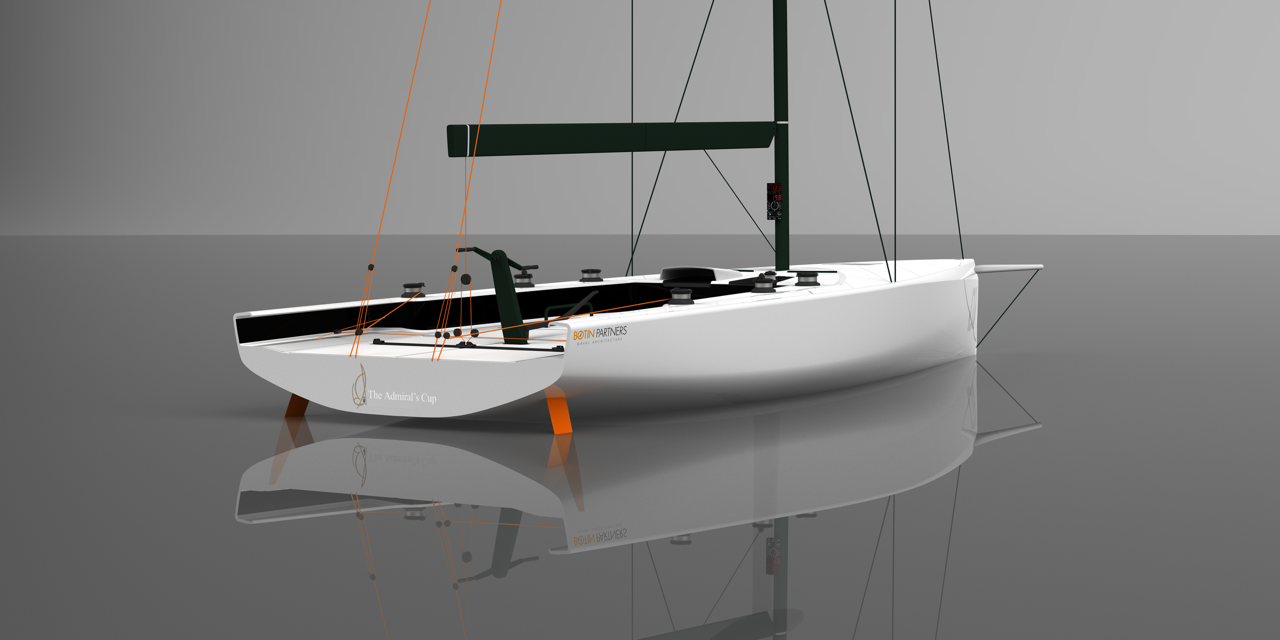
Introduction
The IRC rule continues to dominate offshore and inshore racing globally, rewarding well-rounded, optimised yachts rather than extreme designs. But what actually makes a yacht competitive under IRC—and which boats consistently perform?
At Race Yachts, we’ve worked with some of the most successful IRC campaigns in Australia and internationally. Here’s a breakdown of the best IRC yachts and why they win.
What Makes a Great IRC Yacht?
IRC rewards:
- Moderate displacement
- Efficient hull shapes
- Balanced sail plans
- Optimised appendages (keel + rudder)
The fastest boats aren’t always the lightest—they’re the best optimised across conditions.
🏆 Proven IRC Performers
Ker 40 / Ker 46 / Ker 51
Ker designs are consistently at the front of IRC fleets:
- Powerful yet controlled hull shapes
- Excellent reaching performance
- Highly optimisable
👉 A well-prepared Ker 51 is still one of the most competitive offshore IRC platforms.
TP52 (de-tuned / optimised)
Originally Grand Prix race boats, TP52s can be optimised for IRC:
- Huge power and righting moment
- Requires careful sail and rating optimisation
- Deadly in the right hands
Cookson 50
A classic offshore weapon:
- Proven Sydney–Hobart pedigree
- Strong all-round performance
- Excellent resale value
Sydney 36 / 38
- Cost-effective entry into competitive IRC racing
- Highly optimised fleets
- Strong results at club and regatta level
⚙️ IRC Optimisation: Where Races Are Won
The difference between mid-fleet and podium is often:
- Sail inventory selection
- Crew weight management
- Keel configuration
- Rating strategy
👉 The best programs treat IRC as a design + sailing equation
💡 Buying the Right IRC Yacht
When buying an IRC yacht, focus on:
- Proven race results
- Optimisation history
- Sail wardrobe quality
- Configuration flexibility
🔗 Explore IRC Yachts for Sale
Looking for a competitive platform?
Browse current listings here:
👉IRC race yachts for sale